
Activity/Mobility
NCLEX RN – Activity and Mobility
Complete guide to mobility assessment, complications of immobility, crutch/cane/walker use, and gait types – essential for NCLEX success.
A. Assessment of Mobility
- Mobility status must be evaluated considering disease effects.
- Begin with client lying in bed → sitting → transfer to chair → ambulation with/without devices.
- Assistive devices promote independence and safe exercise.
B. Complications of Immobility
1. Metabolic
- ↓ Endocrine function, metabolism, GI function.
- ↓ Metabolic rate → fluid/electrolyte imbalance, GI issues.
- ↓ Protein → negative nitrogen balance, ↓ muscle mass, weakness.
- ↑ Calcium resorption → renal issues, fractures.
- Constipation, impaction, pseudo-diarrhea, bowel obstruction.
2. Respiratory
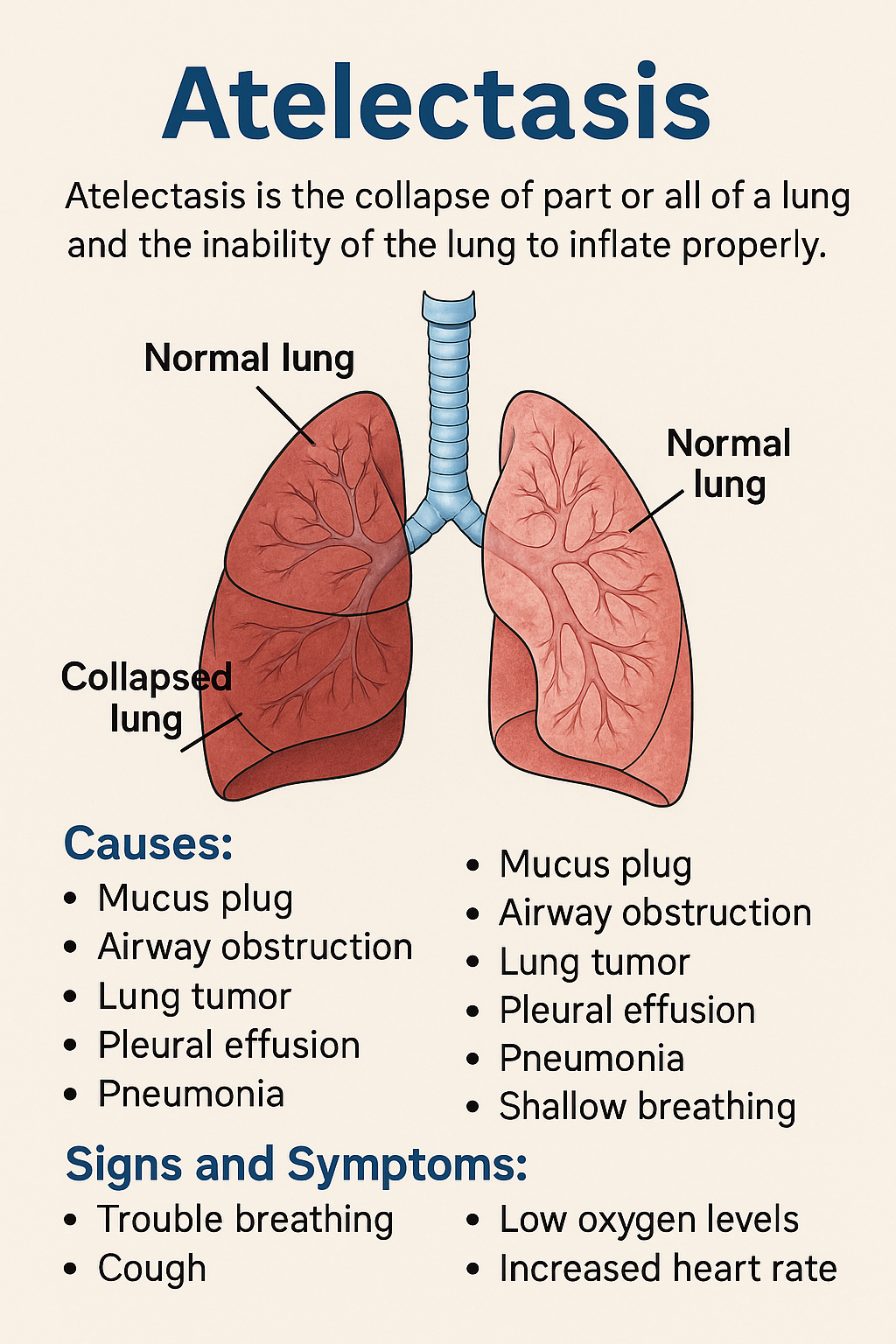
- Atelectasis (alveolar collapse), hypostatic pneumonia (pooled secretions).
- Ineffective cough → retained secretions → pneumonia.
3. Cardiovascular
- Orthostatic hypotension, ↑ cardiac workload, thrombus formation.
- Symptoms: dizziness, nausea, pallor, tachycardia, syncope.
- Thrombus = platelets/fibrin accumulation occluding vessels.
4. Musculoskeletal
- ↓ Lean body mass, ↑ fall risk.
- Disuse osteoporosis.
- Joint contractures – e.g. foot-drop.
5. Urinary
- Urinary stasis (↓ gravity effect when flat).
- ↑ UTI, renal calculi risk due to stasis/dehydration.
6. Integumentary
- Risk for pressure injuries at bony prominences.
- ↓ Cellular metabolism/oxygenation under pressure.
7. Psychosocial
- Cognitive, sensory, emotional disruption.
- Depression, withdrawal due to routine disruption.
C. Crutch Walking
- Ensure correct fit: 2–3 finger widths between axilla and pad.
- Elbows flexed at 20–30°.
- Do not rest axilla on bars – risk to brachial plexus.
- Look ahead while ambulating, place crutches 6–10 inches forward.
- Stop if numbness/tingling in arms.
- Stand on affected side during ambulation.
Types of Gait
- Two-point gait: Crutch + opposite foot → for partial weight-bearing on both legs.
- Three-point gait: Both crutches + affected leg → then unaffected leg.
- Four-point gait: Right crutch → left foot → left crutch → right foot.
- Swing-through gait: Crutches forward → swing both legs past crutches (e.g., paraplegia).

Crutch Use: Stairs
- Up: Good leg → crutches + bad leg.
- Down: Crutches + bad leg → good leg.
Crutch Sitting and Standing
- Move crutches to affected side. Hold chair arm with opposite hand.
- Bend unaffected leg, keep affected leg extended. Lower self down.
- Reverse to stand up.
D. Canes and Walkers
Canes
- Held on strong side, move cane with weak leg.
- Handle at level of greater trochanter.
- Elbow flexion 15–30°.
- Inspect rubber tips for safety.
Hemicanes / Quad Canes
- Used if only one upper extremity functions.
- More stable than single-tip cane.
- Placed on strong side, flat side close to body.
Walkers
- All four legs must touch ground before bearing weight.
- Move walker → affected leg → unaffected leg.
- Use gait belt if needed, stand on affected side.
Muscle Strength Scale (0–5)
This scale is used in clinical assessment to document muscular strength. It is frequently tested on the NCLEX-RN exam.
0 – Zero: No muscular contraction detected.
1 – Trace: No visible movement, only a muscle quiver is noted.
2 – Poor: Muscular movement possible only with gravity eliminated (e.g., passive range of motion).
3 – Fair: Muscular movement against gravity, but not against resistance.
4 – Good: Muscular movement against some resistance provided by the examiner.
5 – Normal: Full muscular movement and strength against resistance.
✅ Safety is top priority: Teach and evaluate proper technique, check device condition frequently, especially rubber tips.
🔑 Bilingual Key Terms Table
| Key Term | Definition (EN) | Definición (ES) |
|---|---|---|
| Mobility Assessment | Evaluating ability to move from bed to chair and walk. | Evaluación de la capacidad para pasar de la cama a la silla y caminar. |
| Assistive Devices | Items like canes, walkers, or crutches to help movement. | Elementos como bastones, andadores o muletas para facilitar el movimiento. |
| Atelectasis | Collapse of alveoli due to immobility. | Colapso de los alvéolos por inmovilidad. |
| Hypostatic Pneumonia | Lung infection caused by pooled secretions. | Infección pulmonar por acumulación de secreciones. |
| Orthostatic Hypotension | Drop in blood pressure when standing. | Caída de la presión al ponerse de pie. |
| Disuse Osteoporosis | Bone loss due to lack of use or weight bearing. | Pérdida ósea por falta de uso o carga. |
| Foot-Drop | Permanent downward position of the foot from immobility. | Posición caída del pie por inmovilidad prolongada. |
| Urinary Stasis | Urine retention due to lying flat. | Retención de orina por estar acostado. |
| Pressure Injuries | Skin breakdown from pressure, often on bony areas. | Deterioro de la piel por presión, frecuentemente en prominencias óseas. |
| Muscle Strength Scale | 0 to 5 scale for evaluating muscle power. | Escala de 0 a 5 para evaluar la fuerza muscular. |
| Two-Point Gait | Crutch and opposite foot move together. | Muleta y pie opuesto se mueven juntos. |
| Three-Point Gait | Both crutches and affected leg move, then unaffected leg. | Ambas muletas y pierna afectada se mueven, luego la pierna sana. |
| Four-Point Gait | Right crutch, left foot, left crutch, right foot. | Muleta derecha, pie izquierdo, muleta izquierda, pie derecho. |
| Swing-Through Gait | Crutches forward, both legs swing past. | Muletas al frente, ambas piernas se balancean hacia adelante. |
| Cane Use | Held on strong side, moves with weak leg. | Se sostiene del lado fuerte, avanza con la pierna débil. |
| Walker Use | Walker → affected leg → strong leg sequence. | Secuencia: andador → pierna afectada → pierna fuerte. |
🧠 Conceptos Clave – Posibles Preguntas para NCLEX (Bilingüe)
| Topic | NCLEX-style Question (EN) | Pregunta tipo NCLEX (ES) | Key Concept / Concepto Clave |
|---|---|---|---|
| Mobility Assessment | Which sequence should the nurse use to assess mobility safely? | ¿Qué secuencia debe usar la enfermera para evaluar la movilidad de forma segura? | Start with lying down → sitting → standing → walking. Iniciar con el paciente acostado → sentado → de pie → caminando. |
| Complications: Respiratory | What is a common respiratory complication of immobility? | ¿Cuál es una complicación respiratoria común de la inmovilidad? | Atelectasis and hypostatic pneumonia. Atelectasia y neumonía hipostática. |
| Crutch Walking | What is the correct crutch placement to prevent nerve injury? | ¿Cuál es la colocación correcta de muletas para evitar lesión nerviosa? | 2–3 finger-widths below axilla; don’t rest on pads. 2–3 dedos bajo la axila; no apoyar axilas en las muletas. |
| Gait Types | Which gait is best for a client with partial weight-bearing on both legs? | ¿Qué tipo de marcha es mejor para un paciente con apoyo parcial en ambas piernas? | Two-point gait. Marcha de dos puntos. |
| Walker Use | What is the correct sequence for using a walker? | ¿Cuál es la secuencia correcta para usar un andador? | Walker → affected leg → unaffected leg. Andador → pierna afectada → pierna sana. |
| Fall Risk | What factors increase a client’s risk of falling? | ¿Qué factores aumentan el riesgo de caídas en un paciente? | Muscle weakness, impaired vision, medications, unfamiliar environment. Debilidad muscular, visión alterada, medicamentos, entorno desconocido. |
| Muscle Strength | What does a score of 3 on the muscle strength scale indicate? | ¿Qué indica un puntaje de 3 en la escala de fuerza muscular? | Movement against gravity but not resistance. Movimiento contra la gravedad pero sin resistencia. |
| Safety Priority | What should the nurse check on all assistive devices before use? | ¿Qué debe verificar la enfermera en todos los dispositivos antes de usarlos? | Condition of rubber tips and proper fit. Condición de las puntas de goma y ajuste adecuado. |